


Statewide Rural Land Price
$5,246
Reported statewide median price per acre for Texas rural land in Q1 2026.
Specialized representation for luxury, working, and recreational ranch properties
Fort Worth and the surrounding North Texas counties offer a wide range of ranch property opportunities, from luxury acreage estates and equestrian properties to working cattle ranches, recreational retreats, and long-term land investments. Buyers are drawn to this market for its open space, privacy, access to DFW, and strong ranching culture.
The John Zimmerman Group helps buyers evaluate ranch properties based on acreage, water access, fencing, barns, pastures, road frontage, agricultural use, wildlife value, mineral rights, and long-term ownership goals.
Ranch property near Fort Worth is shaped by more than asking price. Buyers also compare land value, access to the DFW market, acreage quality, timing, and long-term ownership goals. This snapshot gives buyers a simple way to understand current Texas rural land trends before reviewing individual ranch opportunities.
Recent statewide rural land data shows continued price strength, even while buyers and sellers remain careful about interest rates, tract size, and property-specific value. Near Fort Worth, that makes local expertise especially important when comparing ranch properties.
Reported statewide median price per acre for Texas rural land in Q1 2026.
Statewide rural land price growth compared with the same quarter last year.
Sales activity improved year over year, showing continued interest in rural land.
Fort Worth’s growth adds long-term demand pressure around nearby land markets.
Ranch buyers should look beyond the statewide average. A property’s water, access, improvements, restrictions, and usable acreage can change its value significantly.
As Fort Worth continues to grow, nearby ranch and land markets may remain attractive to buyers seeking privacy while staying connected to DFW.
Statewide data is useful for broad context, but buyers should compare recent sales in the same county, acreage range, and property condition.
| Market Indicator | What It Means | Why It Matters for Ranch Buyers |
|---|---|---|
| Price Per Acre | Useful for broad comparison, but not enough on its own. | Two ranches with similar acreage can have very different values based on access, water, improvements, and land usability. |
| Sales Activity | Shows how active buyers and sellers are in the land market. | More activity can help buyers understand pricing patterns and negotiation expectations. |
| Fort Worth Growth | Population growth can influence long-term demand around nearby rural corridors. | Buyers may compare drive time, privacy, and future area growth when choosing a ranch location. |
| County-Level Data | Local market trends often matter more than statewide averages. | Ranch property in Parker County, Wise County, Hood County, or Johnson County should be reviewed with local comparable sales. |
| Property-Specific Features | Ranch improvements can strongly affect value. | Fencing, wells, barns, road frontage, ponds, and utilities should be evaluated before making an offer. |
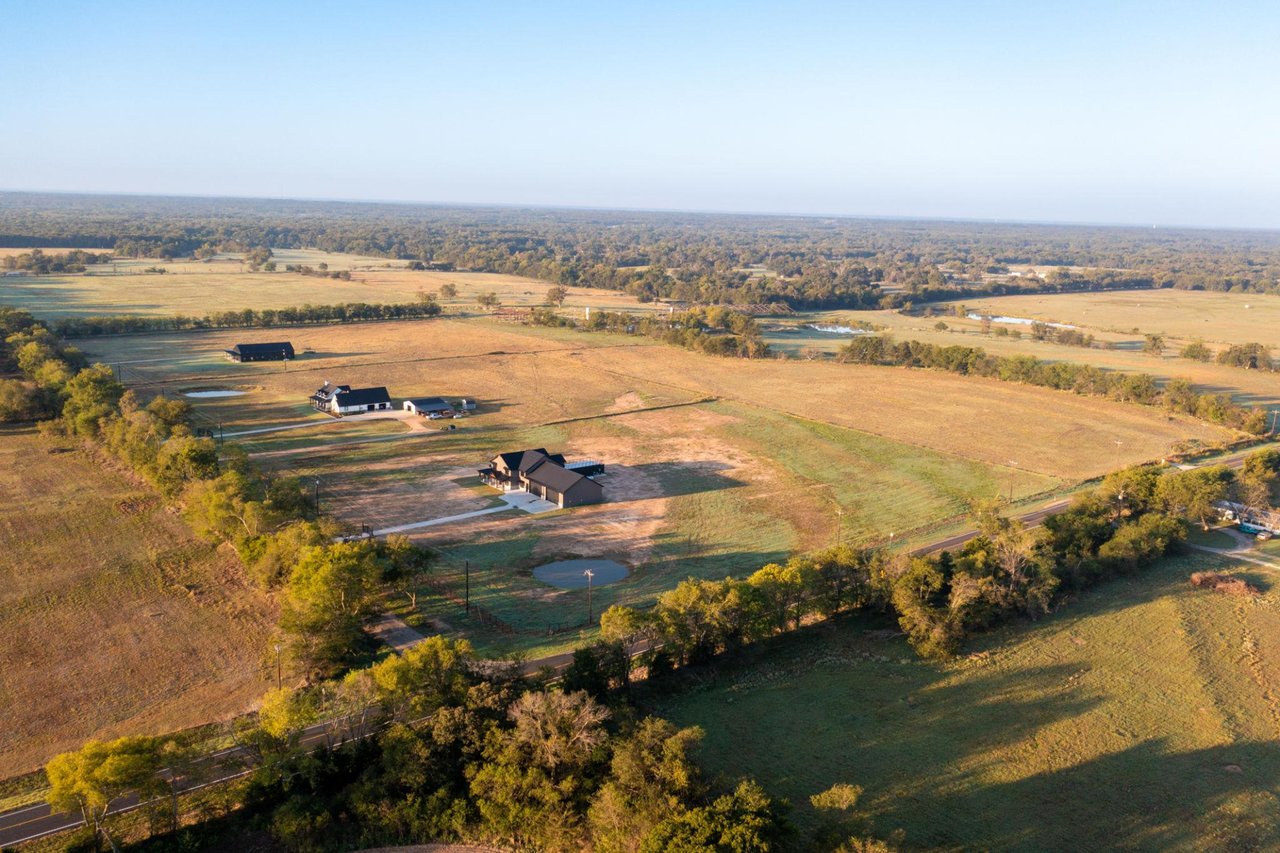
Space, privacy, and functional land ownership near Fort Worth
Ranch ownership in Texas offers a level of space and privacy rarely found in traditional residential settings. Properties often include open pasture, improved infrastructure, and established homesites, allowing for agricultural operations, equestrian use, or private recreational enjoyment. Large acreage provides separation, flexibility of use, and long-term control over the surrounding environment.
Many ranches are located within convenient reach of Fort Worth while maintaining a distinctly rural setting. Owners value the ability to manage land directly, maintain livestock or horses, and preserve wide, unobstructed views. The result is a practical balance between accessibility and seclusion, supported by properties designed for both daily living and operational use.
Ranch buyers in Fort Worth and North Texas often search with a specific lifestyle or land use in mind. Some want a private acreage estate close to the city, while others are looking for a working cattle ranch, equestrian setup, recreational retreat, or long-term land investment. Understanding the main ranch property types can help buyers compare acreage, improvements, water access, location, and long-term ownership potential with more confidence.
Luxury ranch estates combine privacy, acreage, and refined living. These properties often appeal to buyers who want a custom residence, scenic land, guest accommodations, and room for outdoor recreation without giving up access to Fort Worth.
Equestrian ranches are designed around horses, riding, and land functionality. Buyers usually compare pasture quality, fencing, barns, arenas, turnouts, and access to trails or open riding space.
Working ranches support agricultural use, livestock, or cattle operations. These properties require a closer look at fencing, water, grazing capacity, working pens, soil, access, and current agricultural exemptions.
Recreational ranches are popular with buyers who want land for weekend use, hunting, wildlife, trails, and family gatherings. These properties are often valued for privacy, terrain, water features, and outdoor lifestyle potential.
Acreage homesites are ideal for buyers who want to build a custom home with more space. These properties may range from smaller estate lots to larger rural tracts with room for barns, shops, gardens, or private outdoor amenities.
Investment ranch land attracts buyers focused on long-term value, future use, or land banking near growing North Texas corridors. Location, road frontage, utilities, access, and surrounding development all matter.
| Ranch Type | Best For | Key Buyer Considerations | Search Intent Supported |
|---|---|---|---|
| Luxury Ranch Estates | Privacy, lifestyle, legacy ownership, and high-end acreage living. | Home quality, acreage, views, guest spaces, gated access, outdoor living, and proximity to Fort Worth. | Luxury ranches for sale near Fort Worth, Texas luxury ranch estates, acreage estates North Texas. |
| Equestrian Ranches | Horse owners, riders, trainers, and buyers who need usable pasture. | Barns, stalls, arenas, fencing, pasture layout, water access, and trailer access. | Horse property Fort Worth TX, equestrian ranches North Texas, ranches with barns near Fort Worth. |
| Working Ranches | Cattle operations, agricultural use, and buyers who want productive land. | Grazing capacity, working pens, wells, tanks, fences, soil, ag exemptions, and access roads. | Working ranches for sale Texas, cattle ranches near Fort Worth, agricultural ranch land North Texas. |
| Recreational Ranches | Hunting, weekend retreats, family recreation, and outdoor living. | Wildlife, ponds, creeks, tree cover, terrain, trails, privacy, and seasonal access. | Recreational ranches near Fort Worth, hunting land North Texas, weekend ranch Texas. |
| Acreage Homesites | Custom homes, estate lots, and buyers who want land without a large ranch operation. | Build sites, utilities, septic, deed restrictions, road frontage, and county requirements. | Acreage for sale Fort Worth TX, land to build near Fort Worth, homesites North Texas. |
| Investment Ranch Land | Long-term ownership, land banking, and future use planning. | Location, surrounding growth, access, utilities, zoning, restrictions, and resale potential. | Ranch land investment Texas, North Texas land for sale, acreage near DFW growth areas. |
The right ranch depends on how the land will be used. A buyer searching for a horse property may prioritize barns, fencing, and pasture quality, while a recreational ranch buyer may care more about water, wildlife, and privacy. For buyers near Fort Worth, location also plays a major role because each county offers a different mix of acreage, access, pricing, restrictions, and long-term value.
Ranch property searches near Fort Worth often extend beyond the city into surrounding North Texas counties where buyers can compare acreage, privacy, access, and long-term land value. Each area offers a different balance of convenience, rural setting, road access, nearby towns, and proximity to the Dallas–Fort Worth metroplex.
This corridor is popular for buyers who want a strong Fort Worth connection with more room, established country estates, and access to growing westside communities.
Northwest markets appeal to buyers looking for a more open setting while keeping access to major routes back into Fort Worth and the broader DFW area.
Southwest of Fort Worth, buyers often compare land near small-town centers, scenic terrain, and communities with access to recreation and weekend living.
Southern markets may fit buyers who want land options within reach of Fort Worth while considering growth corridors, rural roads, and custom-home potential.
Parker County is one of the most searched areas for ranch property near Fort Worth because it gives buyers access to communities west of the city while still offering a strong rural feel in many pockets. Weatherford, Aledo, Brock, Millsap, and surrounding areas are common starting points for buyers comparing acreage and proximity.
Supports searches like Parker County ranches for sale, Weatherford ranch property, Aledo acreage, and ranch property west of Fort Worth.
Wise County gives ranch buyers a northwest option with access to Decatur, Boyd, Rhome, Bridgeport, and nearby rural roads. This area can be a good fit for buyers who want more distance from dense urban neighborhoods while remaining connected to Fort Worth and North Texas travel routes.
Supports searches like Wise County ranches for sale, Decatur TX ranch property, acreage near Rhome TX, and land northwest of Fort Worth.
Hood County is often searched by buyers looking southwest of Fort Worth, especially around Granbury and surrounding rural communities. The area can appeal to buyers who want a smaller-town setting, access to recreation, and land options within a reasonable drive of Fort Worth.
Supports searches like Hood County ranches for sale, Granbury ranch property, acreage near Granbury TX, and land southwest of Fort Worth.
Johnson County draws buyers searching south of Fort Worth near Cleburne, Burleson, Godley, Joshua, and surrounding areas. Buyers often compare this area for access to Fort Worth, growing communities, rural roads, and larger-property opportunities outside the city center.
Supports searches like Johnson County ranches for sale, Cleburne ranch property, Godley acreage, and land for sale south of Fort Worth.
Palo Pinto County is a western option for buyers who want a stronger outdoor setting and more distance from the urban core. Mineral Wells, Graford, Gordon, Strawn, and surrounding areas are worth considering for buyers comparing land, scenery, access, and recreation-driven ownership.
Supports searches like Palo Pinto County ranches for sale, Mineral Wells ranch property, Possum Kingdom acreage, and land west of Fort Worth.
Somervell and Bosque County markets may appeal to buyers willing to look farther southwest for scenic land, small-town character, and a more rural ownership setting. Glen Rose, Meridian, Clifton, Walnut Springs, and nearby areas can help capture buyers searching beyond the immediate Fort Worth suburbs.
Supports searches like Glen Rose ranch property, Bosque County ranches for sale, Walnut Springs land, and ranches southwest of Fort Worth.
| Market Area | Common Buyer Focus | Nearby Search Locations | SEO Reach Supported |
|---|---|---|---|
| Parker County | Westside access, established acreage communities, and proximity to Fort Worth. | Weatherford, Aledo, Brock, Millsap, Hudson Oaks, Willow Park. | Parker County ranches for sale, Weatherford ranch property, Aledo acreage for sale. |
| Wise County | Northwest access, rural setting, and larger land searches outside the city. | Decatur, Boyd, Rhome, Bridgeport, Paradise, Alvord. | Wise County ranches for sale, Decatur ranch property, land northwest of Fort Worth. |
| Hood County | Southwest location, small-town access, and land near recreation-focused communities. | Granbury, Tolar, Lipan, Cresson, Acton, DeCordova. | Hood County ranches for sale, Granbury ranch property, acreage near Granbury TX. |
| Johnson County | South Fort Worth access, growth corridors, and rural communities near major roads. | Cleburne, Burleson, Godley, Joshua, Alvarado, Venus. | Johnson County ranches for sale, Cleburne ranch property, Godley land for sale. |
| Palo Pinto County | Western North Texas setting, outdoor access, and more rural land searches. | Mineral Wells, Graford, Gordon, Strawn, Palo Pinto, Possum Kingdom. | Palo Pinto ranches for sale, Mineral Wells acreage, land west of Fort Worth. |
| Somervell & Bosque Counties | Scenic southwest searches, smaller communities, and buyers willing to look farther out. | Glen Rose, Meridian, Clifton, Walnut Springs, Iredell, Kopperl. | Glen Rose ranch property, Bosque County ranches, Walnut Springs land for sale. |
Ranch acquisitions involve factors that differ from traditional residential real estate, including land classifications, operational infrastructure, and rural property regulations. The following questions address common topics buyers evaluate when considering ranch ownership in North Texas.
Ranch properties in Fort Worth and North Texas range from small hobby ranches and horse properties to large working cattle ranches and recreational land. Buyers can find properties with grazing land, barns, arenas, stocked ponds, creeks, and custom ranch-style homes throughout areas like Parker, Wise, Hood, Johnson, and Tarrant counties.
There is no minimum acreage to qualify as a ranch in North Texas. Some buyers purchase ranch properties with 5–10 acres for horses or recreational use, while others look for 50–500+ acres for cattle operations, hunting, or long-term land investment. Zoning and intended use often matter more than acreage alone.
Yes, North Texas is highly popular for equestrian ranch properties. Many ranches near Fort Worth feature horse barns, riding arenas, fenced pastures, and access to trail systems. Areas like Weatherford, Aledo, Brock, and Granbury are especially known for horse-friendly ranch land.
Buyers should evaluate water sources (wells, ponds, or creeks), agricultural exemptions, fencing quality, soil type, mineral rights, and access to utilities. It’s also important to review county zoning, wildlife exemptions, floodplain status, and road access—especially for larger ranch properties.
Many ranch properties qualify for agricultural or wildlife tax exemptions, which can significantly reduce property taxes. Eligibility depends on acreage, land use history, and county requirements. Common qualifying uses include cattle grazing, hay production, horse breeding, and wildlife management.
Yes, most ranch properties in Fort Worth and North Texas allow for custom home construction. Buyers should confirm building restrictions, deed limitations, utility access, and septic or well requirements. Many ranch buyers build luxury estate homes while maintaining open pasture or agricultural use.
Ranch properties in North Texas are in high demand due to wide-open land, favorable tax policies, proximity to the Dallas–Fort Worth metroplex, and a strong ranching and equestrian culture. Buyers are drawn to the lifestyle, investment potential, and ability to enjoy privacy while remaining close to city amenities.

Compass
5049 Edwards Ranch Road, Suite 220
Fort Worth, TX 76109
The John Zimmerman Group